Centering Healing and Equity: Honoring BIPOC Mental Health Month
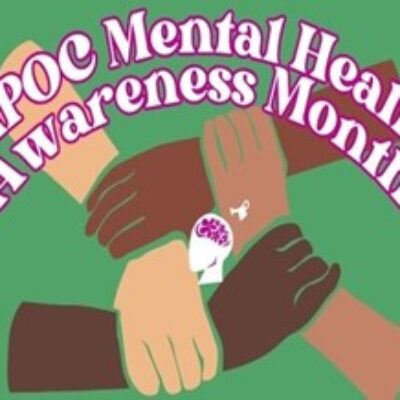
The Community Service Board of Middle Georgia (CSBMG) joins organizations across the nation in recognizing BIPOC Mental Health Month—a time to elevate mental health awareness in Black, Indigenous, and People of Color (BIPOC) communities. This national observance was established in 2008 by author and mental health advocate Bebe Moore Campbell, who sought to dismantle the stigma surrounding mental health and ensure communities of color received culturally responsive care (Mental Health America [MHA], 2023).
Mental Health Disparities and Systemic Barriers
BIPOC communities often face disproportionate mental health challenges, including higher rates of depression, trauma, and suicide, yet are less likely to receive adequate treatment (Substance Abuse and Mental Health Services Administration [SAMHSA], 2023). The American Psychiatric Association (2023) reports that only one in three African American adults who need mental health care actually receive it. Indigenous communities, particularly Native youth, experience some of the highest suicide rates in the country due to historical trauma, displacement, and lack of access to culturally appropriate services (SAMHSA, 2023).
Why Culturally Competent Care Matters
At CSBMG, we recognize that healing must be culturally informed. Mental health professionals who understand the social and cultural contexts of their clients are better equipped to provide effective and respectful care. Research confirms that culturally responsive services improve treatment engagement and outcomes for BIPOC individuals (Gone & Kirmayer, 2020).
Representation in the behavioral health workforce is also critical. A diverse team of providers helps build trust and fosters an inclusive environment where individuals feel seen, safe, and supported.
Holistic Care and Community Resilience
While BIPOC Mental Health Month highlights challenges, it also celebrates resilience, cultural wisdom, and community-based healing. At CSBMG, we affirm the power of peer support, storytelling, spirituality, and other culturally grounded practices as vital tools for recovery and well-being. Healing frameworks emphasize holistic care—integrating mental health with social justice, cultural preservation, and collective healing (Menakem, 2017). These approaches affirm the strength of BIPOC communities and challenge systems that perpetuate trauma and inequity.
How You Can Support
During BIPOC Mental Health Month and beyond, we encourage our community to:
- Educate themselves on the unique mental health experiences of BIPOC populations.
- Support local and national BIPOC-led mental health organizations.
- Advocate for policies and funding that promote equitable access to care.
- Practice empathy and amplify BIPOC voices in mental health conversations.
At the Community Service Board of Middle Georgia, we remain committed to reducing disparities, empowering individuals, and building a culturally informed behavioral health system that serves all communities with dignity and compassion.
References
American Psychiatric Association. (2023). Mental health disparities: Diverse populations. https://www.psychiatry.org/psychiatrists/cultural-competency/education/mental-health-facts
Gone, J. P., & Kirmayer, L. J. (2020). Advancing Indigenous mental health research: Ethical, conceptual and methodological challenges. Transcultural Psychiatry, 57(2), 235–249. https://doi.org/10.1177/1363461520901631
Mental Health America. (2023). BIPOC Mental Health Month. https://www.mhanational.org/bipoc-mental-health-month
Menakem, R. (2017). My grandmother’s hands: Racialized trauma and the pathway to mending our hearts and bodies. Central Recovery Press.
Substance Abuse and Mental Health Services Administration. (2023). Racial/ethnic differences in mental health service use among adults. https://www.samhsa.gov