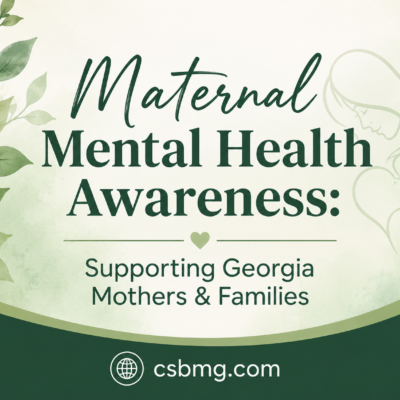
Maternal Mental Health Awareness: Supporting Georgia Mothers & Families
Community Service Board of Middle Georgia (CSBMG)
May is recognized nationally as Mental Health Awareness Month, serving as an important opportunity to increase awareness about mental health challenges, reduce stigma, and connect individuals and families with supportive resources. One area receiving growing national attention is maternal mental health, particularly the emotional wellbeing of pregnant and postpartum women.
According to the Health Resources and Services Administration (HRSA), maternal mental health conditions remain among the most common complications experienced during pregnancy and the postpartum period. Anxiety, depression, stress-related disorders, and other emotional health challenges can affect mothers during and after pregnancy, impacting not only the individual but also children, families, and communities.
National Attention on Maternal Mental Health
This Mental Health Awareness Month, HRSA highlighted the importance of improving access to maternal mental health resources and support systems for mothers nationwide. HRSA Administrator Tom Engels recently joined the U.S. Department of Health and Human Services’ Office of the Assistant Secretary for Health to help launch Moms.gov, a new website designed to provide expecting and new mothers with trusted information, healthcare resources, and support services.
The initiative reinforces a growing national focus on improving maternal health outcomes and strengthening access to behavioral healthcare for women during pregnancy and postpartum recovery. Access to mental health support during this time can play a significant role in improving emotional wellbeing, strengthening family stability, and reducing long-term health risks for both mothers and children.
The Importance of the National Maternal Mental Health Hotline
This year also marks the fourth anniversary of the National Maternal Mental Health Hotline, a free and confidential resource available 24 hours a day, seven days a week for pregnant and postpartum women and their loved ones.
Since launching on Mother’s Day in 2022, the hotline has reportedly supported more than 100,000 individuals by providing emotional support, referrals to local services, information about mental health concerns, and guidance from trained counselors. Services are available through phone calls, text messaging, and online chat support.
Resources like the Maternal Mental Health Hotline are especially important for rural communities and underserved areas where access to behavioral healthcare providers may be limited. Many individuals experiencing postpartum depression, anxiety, trauma, or emotional distress may not know where to seek help or may delay treatment due to stigma, transportation barriers, financial concerns, or lack of local services.
Why Maternal Mental Health Matters in Georgia
Maternal mental health remains an important public health issue throughout Georgia, particularly in rural regions where healthcare access challenges continue affecting families. Pregnant and postpartum women may experience emotional stress related to financial pressures, childcare responsibilities, relationship changes, medical concerns, or limited social support systems.
Untreated maternal mental health conditions can affect multiple areas of wellbeing, including physical health, infant bonding, child development, family relationships, and overall quality of life. Early intervention, community support, and access to behavioral healthcare services can help improve outcomes for both mothers and children.
Organizations throughout Georgia, including behavioral health providers, hospitals, healthcare agencies, and community organizations, continue working to increase awareness surrounding postpartum depression, maternal anxiety, trauma, and other behavioral health concerns affecting mothers and families.
Supporting Families Through Community Resources
Behavioral health support during pregnancy and postpartum recovery can include counseling services, peer support, behavioral health and psychiatric care (including telehealth services), crisis intervention, family education, case management, and community-based treatment programs. Community partnerships also play an important role in connecting families with housing assistance, healthcare resources, childcare support, substance use treatment, and crisis services when needed.
For organizations like CSBMG, strengthening behavioral health awareness and promoting accessible support systems remain essential components of building healthier communities throughout Middle Georgia.
Mental health challenges during pregnancy and postpartum recovery are common, treatable, and deserving of compassionate support. Encouraging open conversations about maternal mental health may help reduce stigma and empower more individuals to seek care when they need it most.
Conclusion
Mental Health Awareness Month serves as an important reminder that mental health support should be accessible for individuals and families during every stage of life, including pregnancy and postpartum recovery. National initiatives like Moms.gov and the National Maternal Mental Health Hotline continue helping connect mothers with trusted information, emotional support, and local resources.
By increasing awareness, strengthening partnerships, and encouraging early intervention, communities can help ensure that mothers and families throughout Georgia receive the care, compassion, and support they deserve.
References
Health Resources and Services Administration. (2026). HRSA recognizes Mental Health Awareness Month and maternal mental health initiatives.