Preparing a Weather-Ready Nation: National Hurricane Preparedness Week 202
Community Service Board of Middle Georgia (CSBMG)
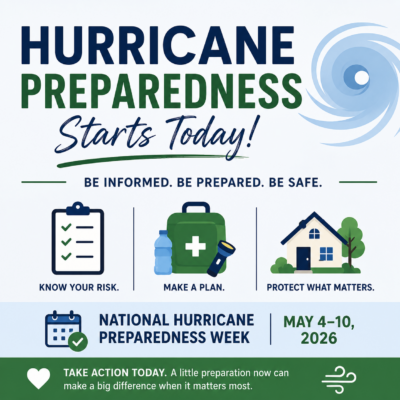
Each year, National Hurricane Preparedness Week serves as an important reminder for individuals, families, and communities to prepare for the potential impacts of hurricanes and severe weather. Observed from May 4 through May 10, 2026, this initiative emphasizes proactive planning, risk awareness, and safety strategies that can significantly reduce harm during hurricane season. Preparedness is not only a personal responsibility but also a collective effort that strengthens community resilience (Federal Emergency Management Agency [FEMA], 2023; National Oceanic and Atmospheric Administration [NOAA], 2024).
For communities served by the Community Service Board of Middle Georgia (CSBMG), where rural geography and access barriers can complicate emergency response, preparedness plays a critical role in ensuring the safety and well-being of individuals, particularly those with behavioral health needs.
Understanding the Daily Themes of Preparedness Week
National Hurricane Preparedness Week 2026 provides a structured, day-by-day approach to readiness, allowing communities to focus on specific aspects of hurricane safety:
- May 4 – Know Your Risk: Water & Wind
Understanding the dangers associated with storm surge, flooding, and high winds is essential. Flooding remains the leading cause of hurricane-related fatalities, even in inland areas (NOAA, 2024). - May 5 – Prepare Before Hurricane Season
Early preparation includes assembling emergency kits, reviewing insurance coverage, and creating family communication plans. Preparing ahead of time reduces panic and increases response effectiveness (FEMA, 2023). - May 6 – Understand Forecast Information
Learning how to interpret forecasts, watches, and warnings allows individuals to make informed decisions. Misunderstanding weather alerts can delay critical action. - May 7 – Get Moving When a Storm Threatens
Evacuation plans should be clear and practiced. Knowing when and where to go ensures timely action and reduces risk exposure. - May 8 – Stay Protected During Storms
Identifying safe shelter locations and following official guidance helps prevent injury during active storm conditions. - May 9 – Use Caution After Storms
Post-storm hazards such as downed power lines, contaminated water, and debris require continued vigilance even after the storm has passed. - May 10 – Take Action Today
This final theme reinforces the importance of acting immediately—preparedness should not be delayed.
The Importance of Community Engagement
Preparedness efforts are most effective when information is widely shared and reinforced across multiple platforms. Public agencies, healthcare providers, and community organizations play a vital role in disseminating accurate and accessible information. The availability of multilingual resources as necessary ensures that diverse populations can access life-saving guidance (NOAA, 2024).
At CSBMG, collaboration with community partners is essential to reaching vulnerable populations, including individuals with mental health conditions, substance use disorders, and intellectual and developmental disabilities. These populations may require additional support during emergencies, such as assistance with evacuation, medication continuity, and access to care.
Preparedness in Behavioral Health Settings
Emergency preparedness within behavioral health systems requires thoughtful planning and coordination. Disruptions caused by severe weather can impact service delivery, medication access, and crisis response. Integrating preparedness strategies into behavioral health care ensures continuity of services and reduces the risk of adverse outcomes (Substance Abuse and Mental Health Services Administration [SAMHSA], 2022).
Key considerations include:
- Developing individualized emergency plans for clients
- Ensuring access to medications and medical records
- Coordinating with local emergency management agencies
- Utilizing telehealth when in-person services are disrupted
By aligning preparedness efforts with clinical care, organizations like CSBMG can better support individuals before, during, and after a disaster.
Building a Weather-Ready Nation
Creating a Weather-Ready Nation requires consistent education, proactive planning, and strong partnerships. National Hurricane Preparedness Week provides a valuable framework for encouraging action and fostering a culture of readiness. When individuals understand their risks, prepare in advance, and respond appropriately, communities are better equipped to withstand and recover from disasters.
CSBMG encourages all community members and partners to actively participate in sharing preparedness information throughout the week. By working together, we can strengthen resilience, protect vulnerable populations, and promote safety across all communities we serve.
References
Federal Emergency Management Agency. (2023). Emergency preparedness guide. https://www.ready.gov
National Oceanic and Atmospheric Administration. (2024). National Hurricane Preparedness Week. https://www.noaa.gov
Substance Abuse and Mental Health Services Administration. (2022). Disaster preparedness, response, and recovery resources. https://www.samhsa.gov